Building the World's Largest Hardware Hackathon

"We decided that we'll do the world's largest hardware hackathon."

- Aayan Agarwal, Founder and Vice President of the Humanoid Robot Club


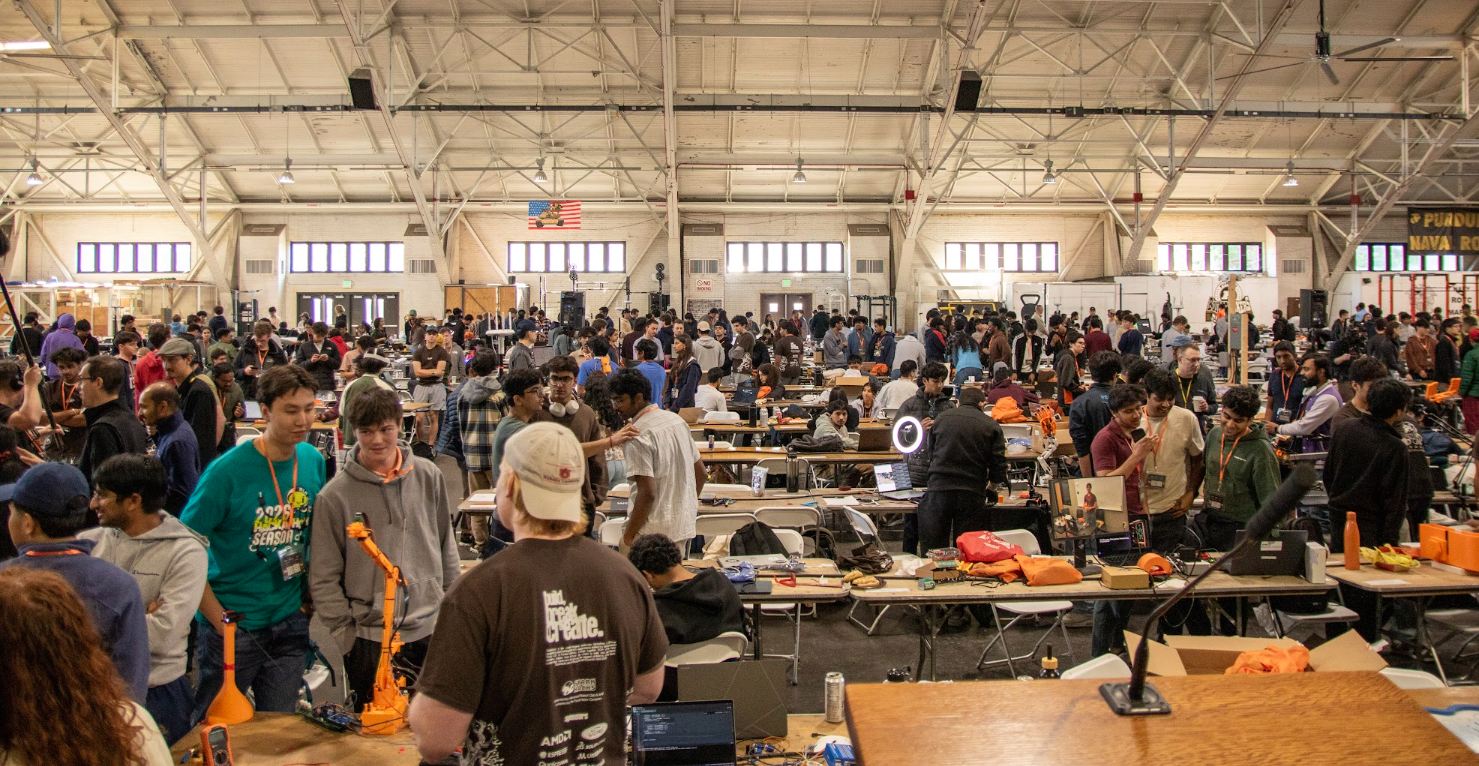
What began as an ambitious idea among members of Purdue University's Humanoid Robot Club quickly evolved into one of the largest hardware hackathons ever held. This spring, more than 750 student builders representing 80 universities and 10 countries gathered at Purdue University for 36 hours of nonstop innovation, collaboration, and rapid prototyping.

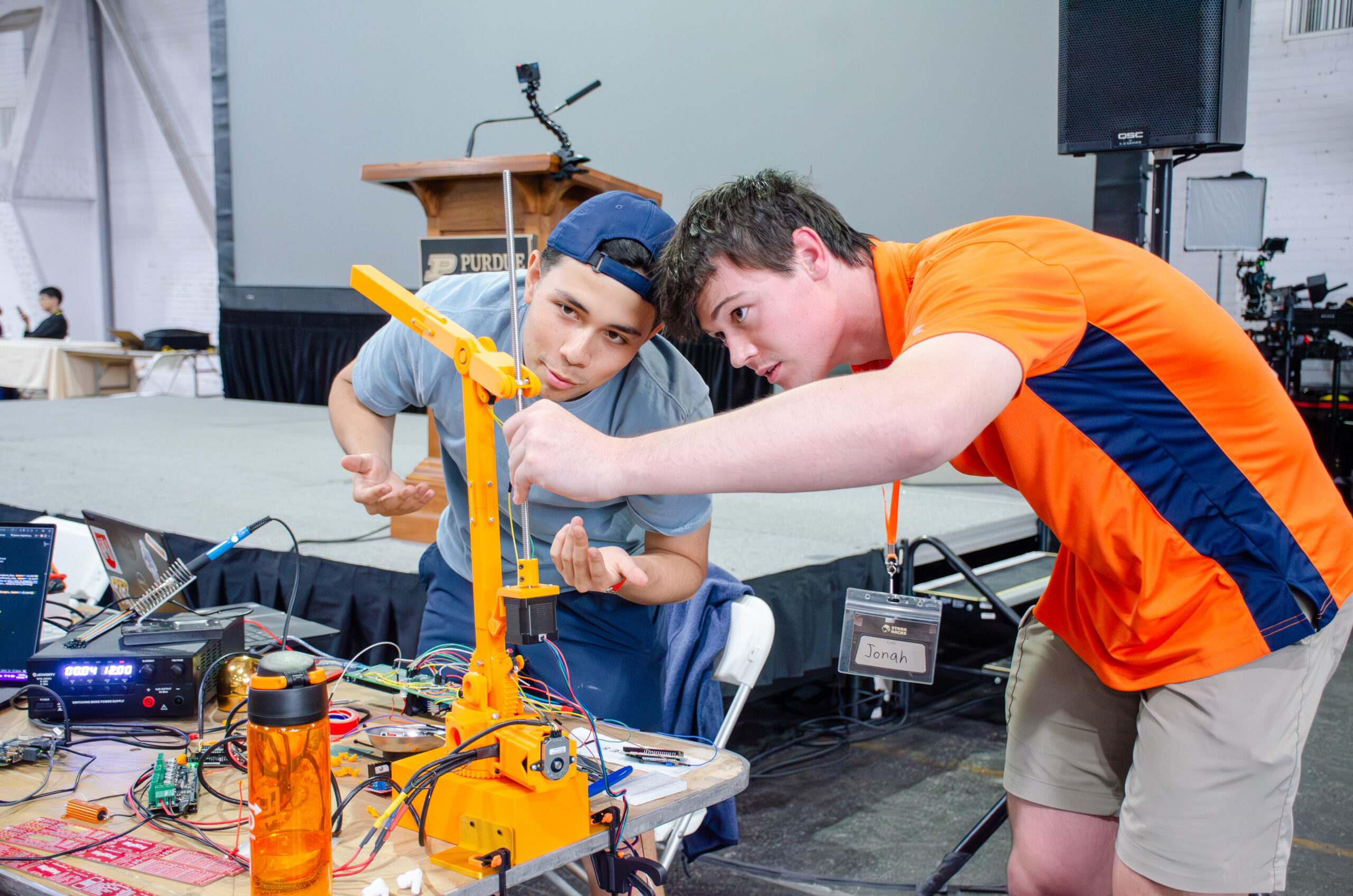
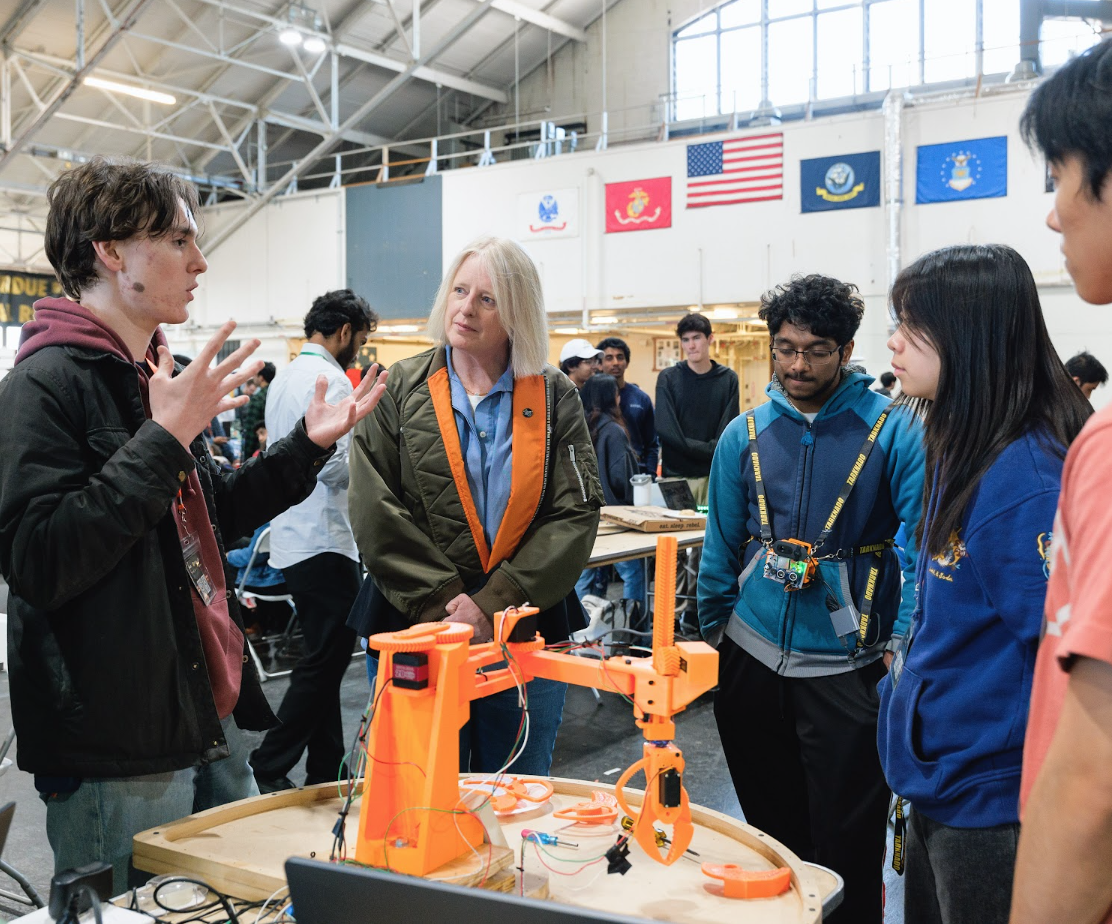
Hosted at the Purdue Armory, StarkHacks challenged multidisciplinary teams to design and build solutions spanning robotics, artificial intelligence, accessibility, wearable technology, and space exploration. Throughout the venue, laptops sat beside soldering stations, sensors, microcontrollers, and prototype parts as students worked against the clock to transform concepts into functioning hardware.

Unlike traditional software-focused hackathons, StarkHacks centered on building physical solutions. Teams designed parts, assembled systems, tested prototypes, and refined their ideas throughout the weekend. With only 36 hours on the clock, the ability to quickly move from concept to prototype became a critical part of the experience.

From Student Club to Global Event


StarkHacks didn't begin as a university initiative or a professional conference. It began with members of Purdue University's Humanoid Robot Club (HRC), a student-led organization founded in 2024 focused on advancing robotics and engineering projects while creating opportunities for students to learn and collaborate.

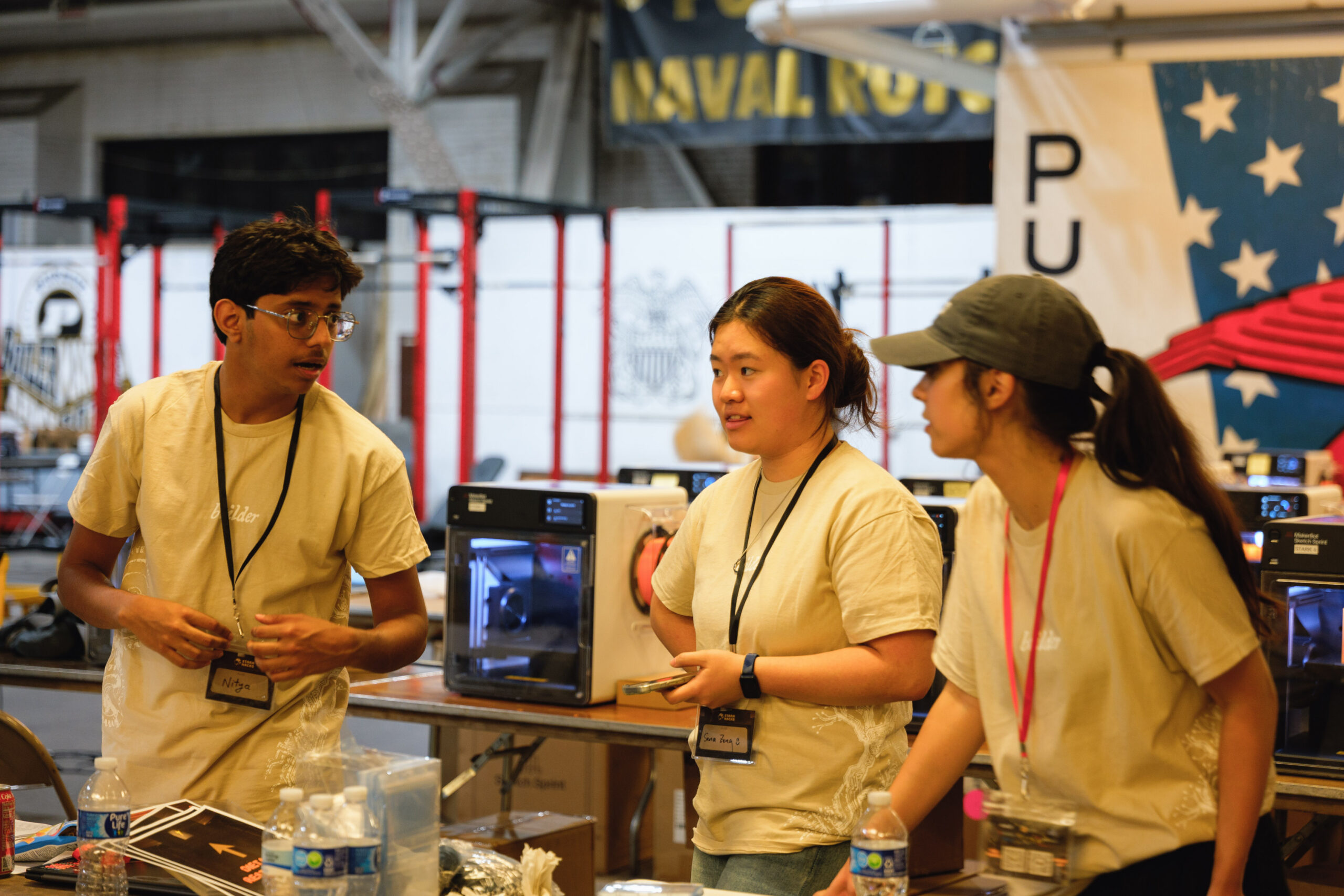
Among those helping bring the event to life were Aayan Agarwal, Founder and Vice President of the Humanoid Robot Club and one of the event's organizers; Nazmin Abbasi, Vice President of HRC and Hardware Lead for StarkHacks; and Sidharth Kotecha, a member of the hardware team. Together with dozens of student volunteers, they spent months planning an event that would eventually welcome more than 750 participants from around the world. For Aayan, the motivation behind StarkHacks was straightforward: while software innovation has accelerated in recent years, hardware deserves the same opportunity to inspire the next generation of engineers.

“There are a lot of software hackathons, and we've made impressive leaps in software. But we need to make those innovations in hardware as well for technology to advance overall."


That idea became the foundation for StarkHacks. What started as an ambitious goal among student organizers quickly evolved into a large-scale event designed to bring together builders, engineers, programmers, and innovators to tackle real-world challenges through hardware.

Creating the Infrastructure


Organizing one of the world's largest hardware hackathons required more than tables, printers, and ambitious ideas. Behind the scenes, a team of student organizers spent months building the systems needed to support participants and keep projects moving throughout the 36-hour competition.

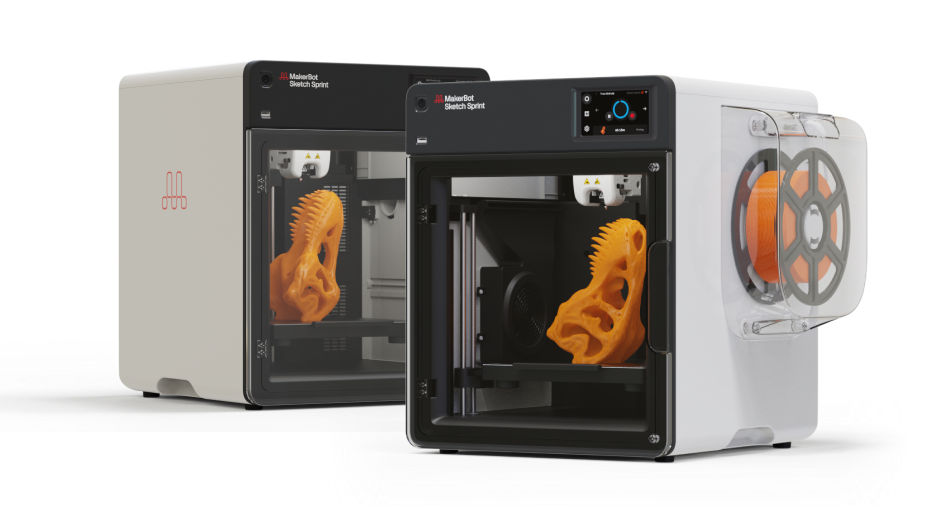
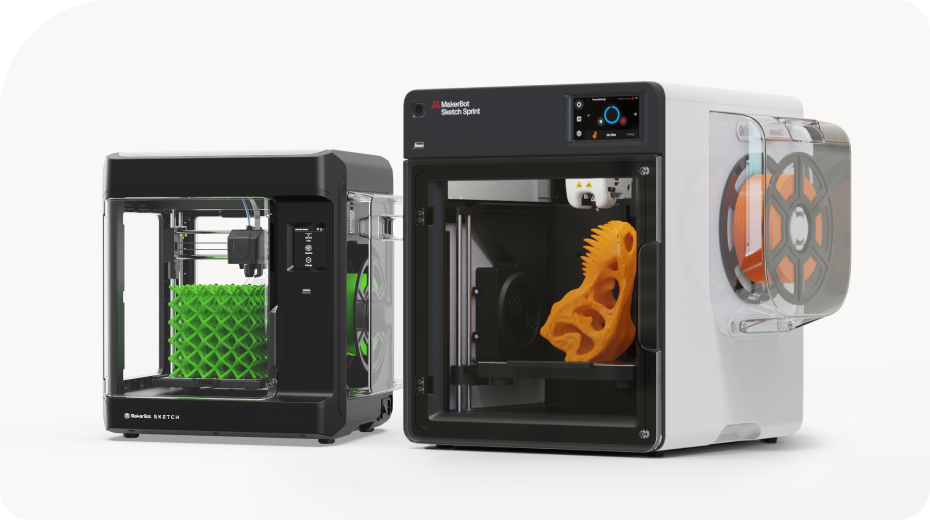
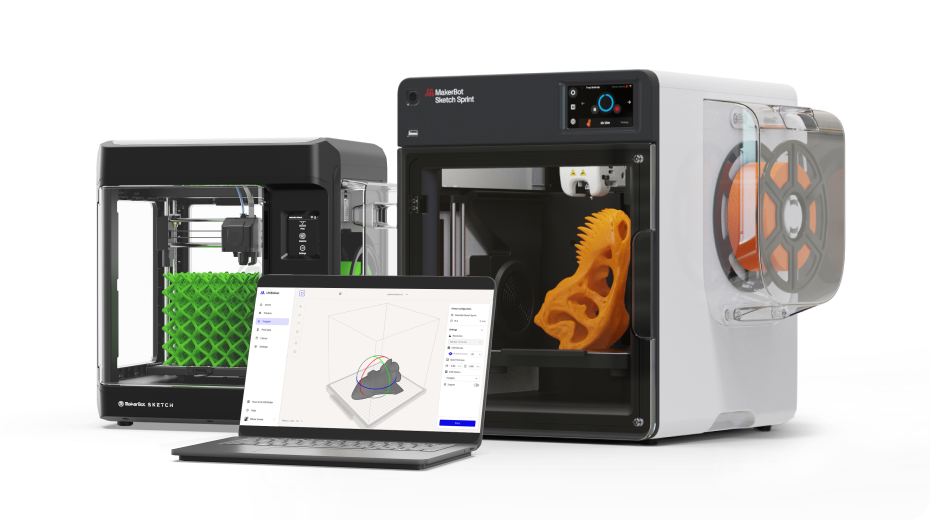
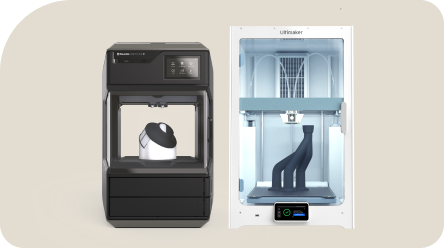
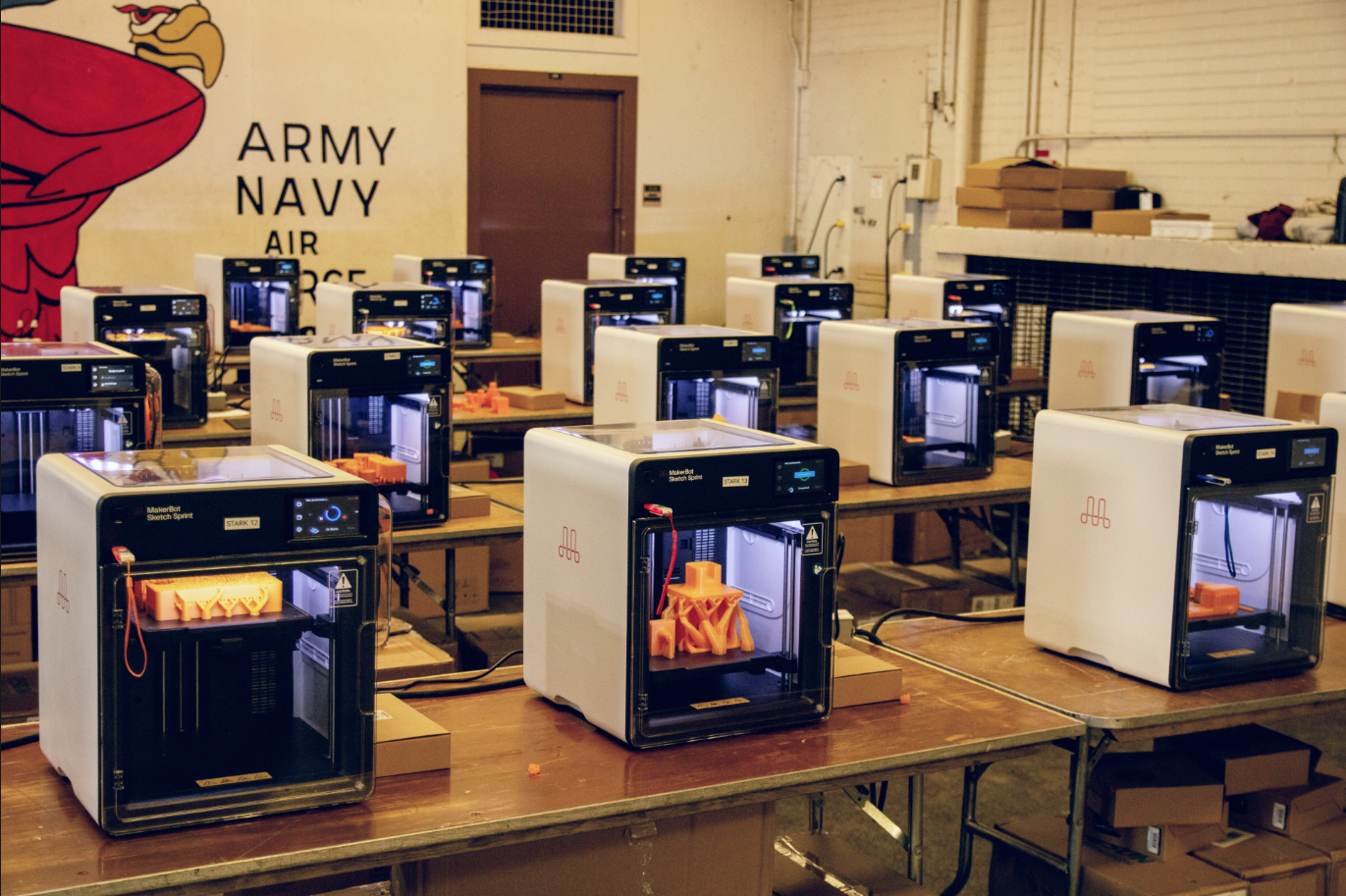
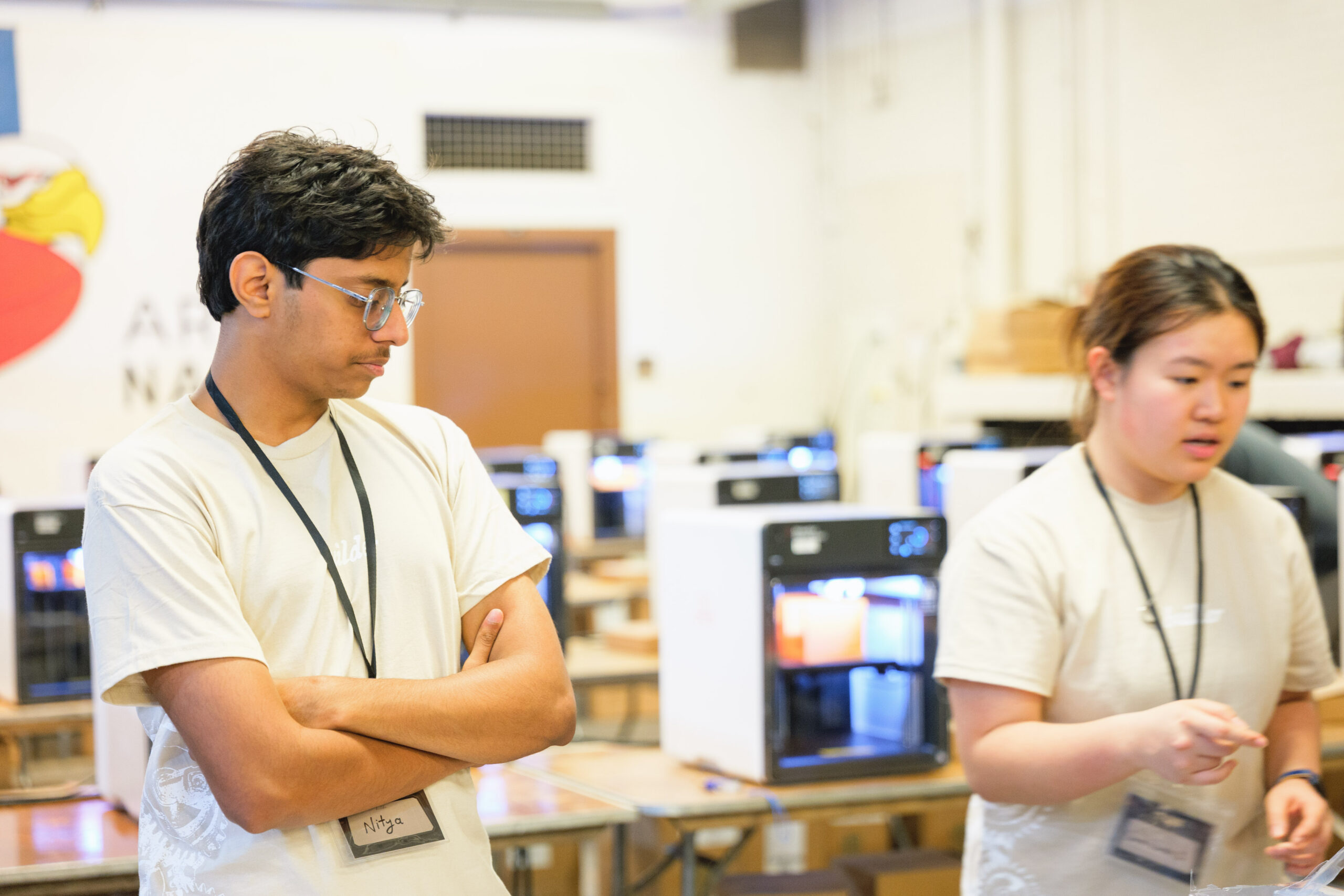
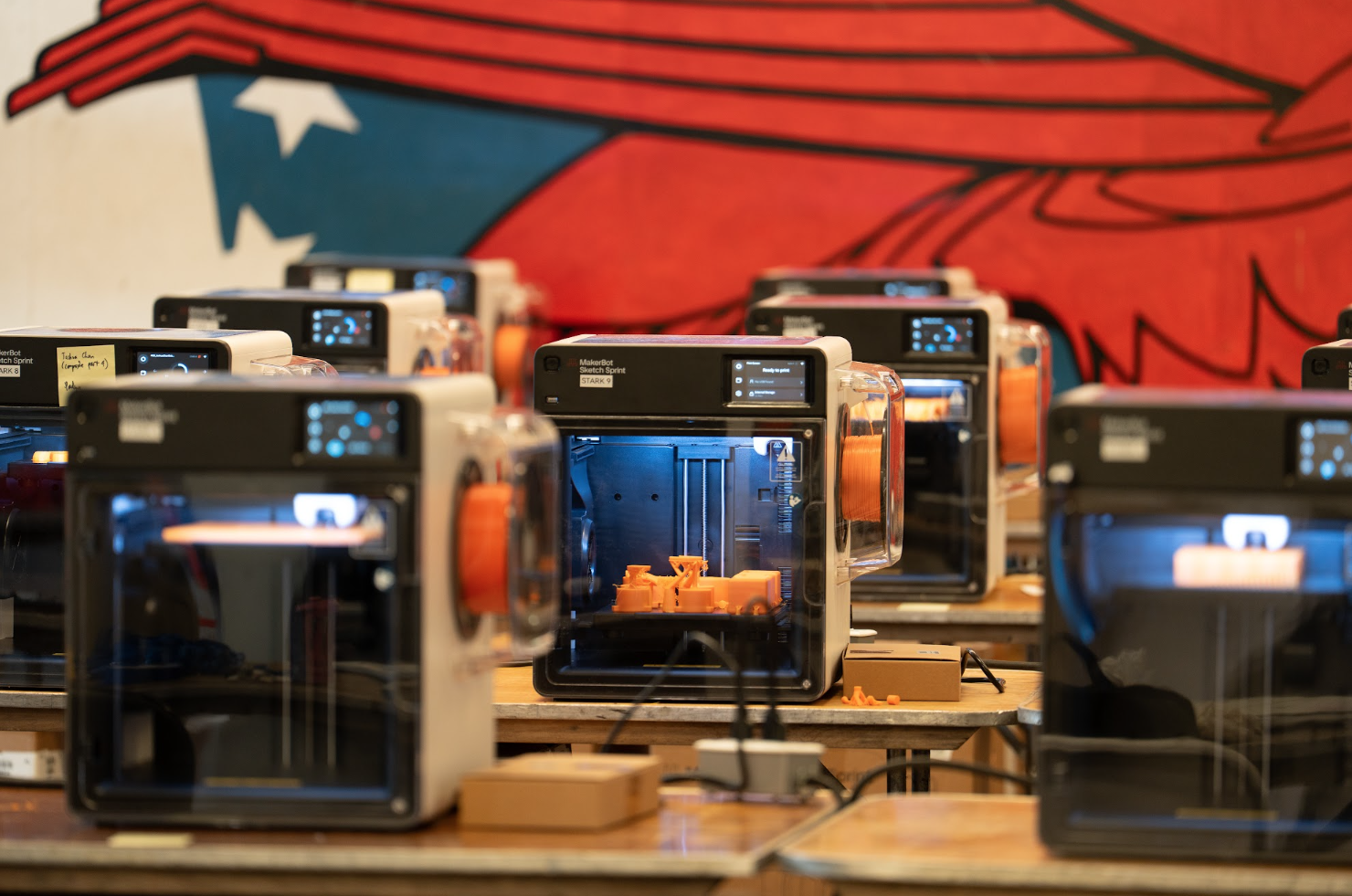
To help make that possible, MakerBot donated 25 Sketch Sprint 3D printers and 250+ spools of Tough PLA for use throughout the StarkHacks event. Combined with UltiMaker Digital Factory, the printers became the foundation of a fabrication workflow designed to handle a constant stream of prototype requests from teams across the event.

Beyond 3D printing, the hardware team created an engineering support hub for participants. The event featured soldering stations, power tooling stations, and a centralized hardware booth stocked with components and supplies, giving teams a single destination for the resources they needed throughout the weekend.

As Hardware Lead Nazmin Abbasi explained, "There was an inventory of every single hardware component that we had, every single component and tool that we had for people to use. It was a one-stop shop where, this is a hackathon, it's 36 hours non-stop. In the middle of the night, you need a really specific size capacitor or a hammer for whatever reason... you're not really driving out to Target. That was the idea with the hardware booth."

Managing the flow of 3D print requests required just as much planning. Anticipating hundreds of submissions, the team established print size limits, submission guidelines, and a structured review process to keep jobs moving efficiently through the queue.

To further streamline production, the hardware team organized the Sketch Sprint printers into dedicated print lanes. "One major thing we did on site was create four different print lanes with the Sketch Sprint 3D printers. Prints that took less than an hour were assigned to a dedicated lane.”

By separating shorter jobs from longer builds, the team was able to keep prototypes flowing throughout the event while ensuring participants received parts in time to continue developing their projects.

From Ideas to Prototypes


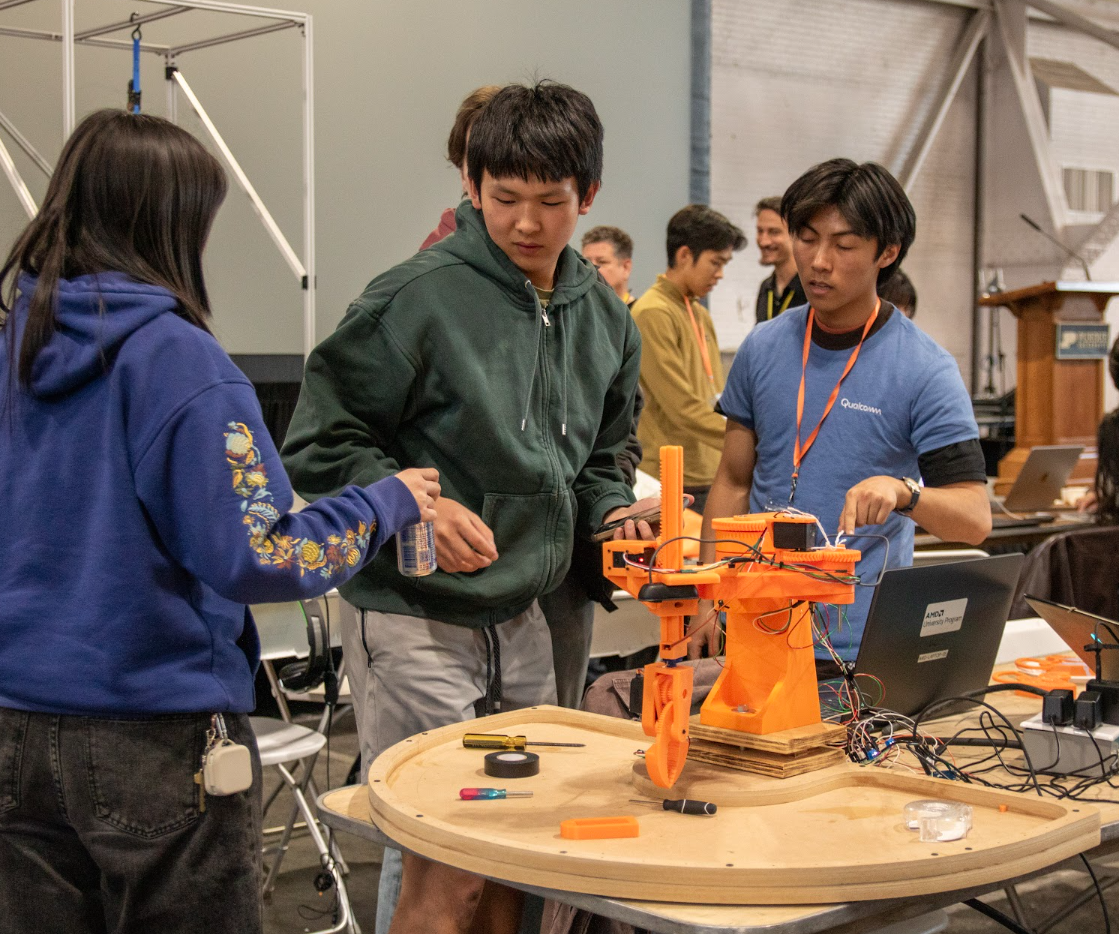
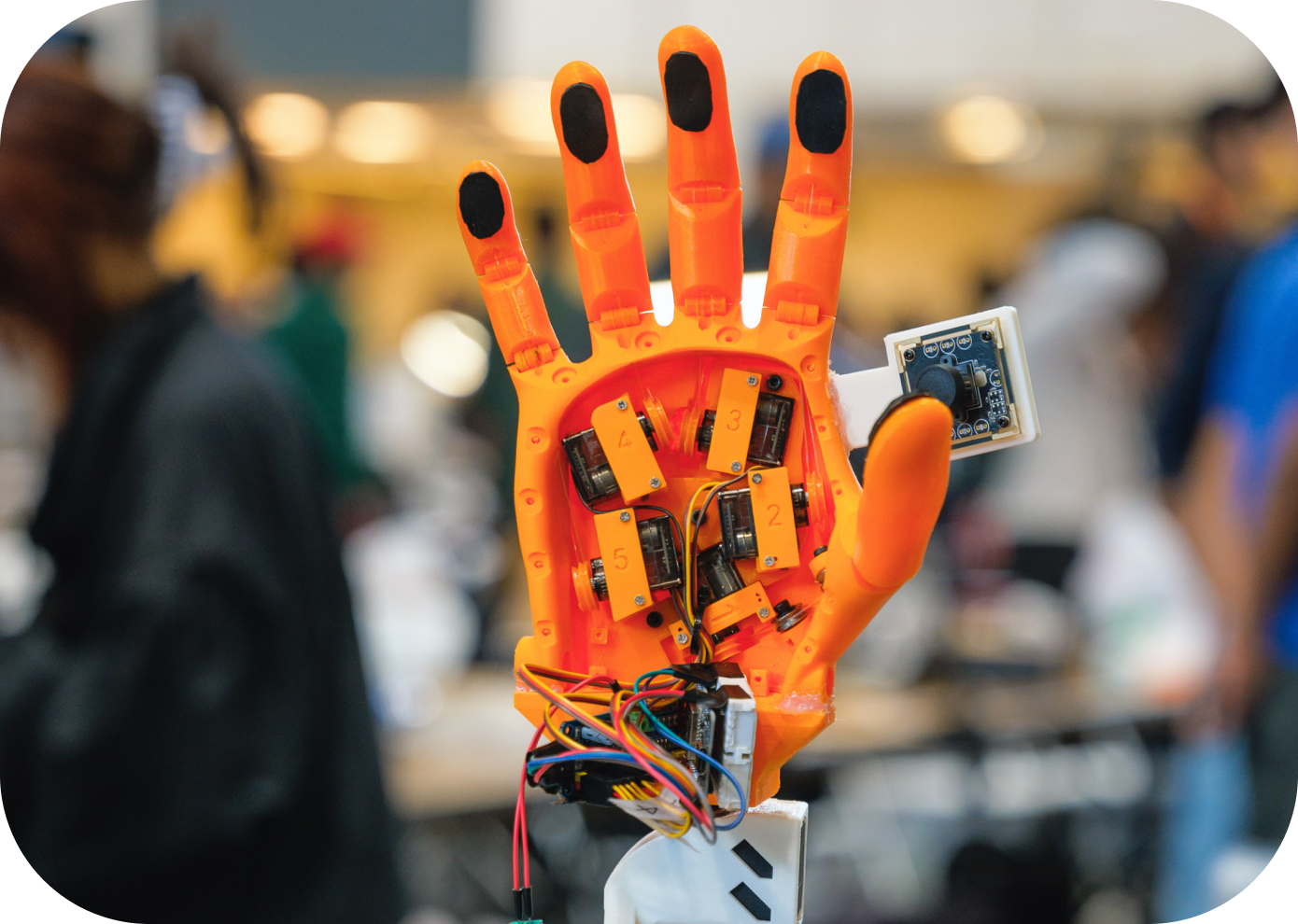
Throughout the weekend, teams used 3D printing to create everything from functional engineering components to complete prototype systems. Many projects relied on printed enclosures, camera mounts, robotic grippers, Raspberry Pi housings, and custom mechanical parts that helped teams assemble, test, and refine their designs. The variety of projects left a lasting impression on the hardware team.

"There was a wide varieties of things people wanted to print out. It could be as simple as a case for a vision system... then there are people making robotic hands of 3D printing. There were people making grippers... someone was making cups because they were making a project where there was a robot which could pick up the cup and then make a drink and then give it out." — Sidharth Kotecha

While many prints served as critical components within larger systems, others were part of projects designed to address real-world challenges. Aayan recalled projects focused on road safety, healthcare, and accessibility, including a system designed to detect potholes in real time and solutions aimed at improving posture and supporting fracture recovery.

"We had projects that would fix your posture, projects that would heal fractures." — Aayan Agarwal

Space exploration also emerged as a common theme among participants. "[I also saw] very small scale prototypes of things related to space satellites and rocketry; those were also common themes." — Nazmin Abbasi

By the end of the weekend, the hardware team had processed more than 400 print submissions in support of participant projects.

One of the most memorable projects featured a robotic hand built with 3D printed parts and controlled by a sensor-equipped glove that mirrored the user's movements in real time. "Someone made a robotic hand with 3D printed parts and then they made a glove which had sensors in it that replicated the same motion that someone with a glove would do," said Sidharth.

The project went on to earn first place at StarkHacks, demonstrating how quickly teams were able to transform ambitious ideas into functional prototypes during the 36-hour competition.

Keeping Innovation Moving


Managing hundreds of print requests over a 36-hour period required more than a fleet of 3D printers—it required a way to monitor and manage them efficiently.

As the weekend progressed and print volumes increased, the hardware team needed a better way to keep track of dozens of active print jobs without constantly walking between machines to check progress.

As Sidharth explained:"At midnight on Day 1, I was like, 'we need a way to look at everything' because at the time we had to physically go and look at all the ongoing prints and see how much time is left."

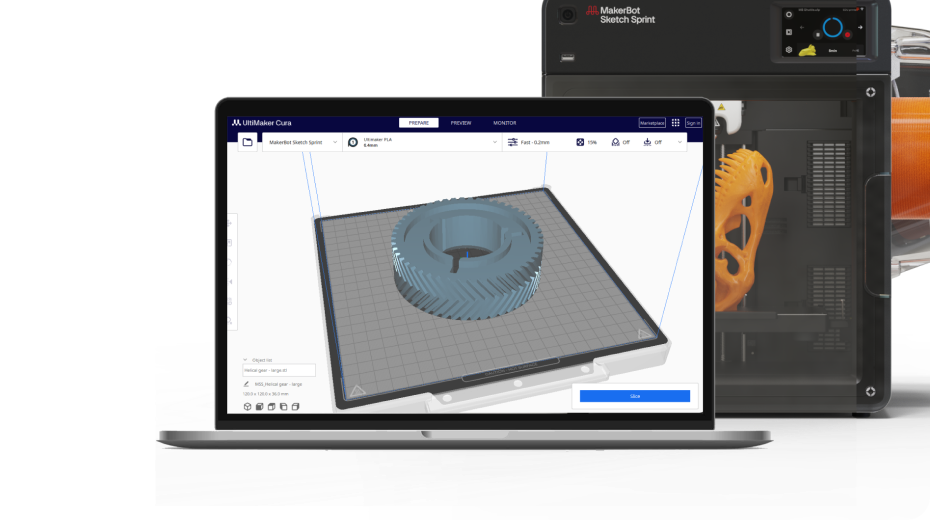
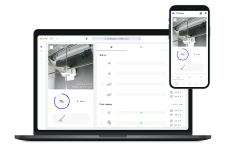
Using UltiMaker Digital Factory, the team was able to monitor print progress across the entire printer fleet from a single interface, allowing volunteers to quickly identify completed jobs, track print status, and remotely view live camera feeds from the printers.

"You can view all the prints at the same time on a single PC... you can just view it there and see its print status remotely using the printers' cameras to see the live footage. That overall helped us save time."

The printers themselves also played a critical role. With hundreds of submissions flowing through the system, the Sketch Sprint printers operated continuously throughout the event, helping the hardware team keep pace with demand while minimizing downtime.

"[The MakerBot Sketch Sprint printers] were the super fast series that helped a lot because the machines were running 24/7. I hadn't seen them idle for a minute at the hackathon because there were so many prints." — Sidharth

What StarkHacks Made Possible


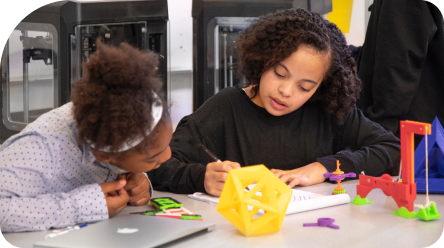
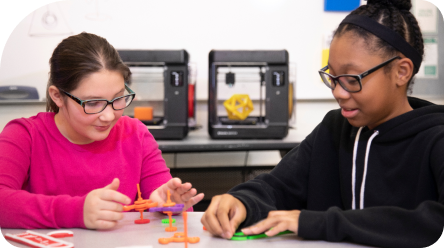
For one weekend, the Purdue Armory became a place where ideas could move quickly from concept to reality. Students arrived with sketches, CAD models, and ambitious ideas, then worked alongside teammates, mentors, and organizers to transform them into functional prototypes.

The event brought together builders from dozens of universities and disciplines, creating an environment where software, hardware, manufacturing, and design intersected. Supported by a dedicated student-led organizing team, 25 MakerBot Sketch Sprint 3D printers, Tough PLA filament, and a streamlined digital workflow, participants had the resources needed to experiment, solve problems, and continue refining their ideas throughout the event.

For the organizers who envisioned the event and the students who participated in it, StarkHacks demonstrated what can happen when builders are given the opportunity to create. From first-time makers to experienced engineers, participants spent the weekend turning ideas into hardware—showcasing not only the power of 3D printing, but the creativity, collaboration, and ingenuity of the next generation of innovators

Get connected with StarkHacks and keep up to date via their instragram @StarkHacks.Purdue